











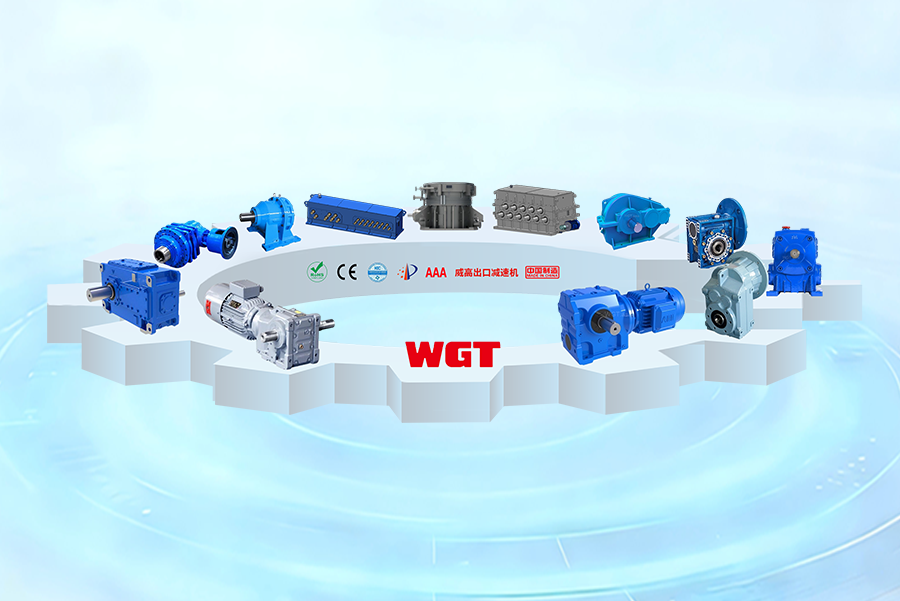
Navigating the World of Industrial Motors: A Guide to Motor Suppliers, Manufacturers, and Key Technologies
Understanding Motor Suppliers and Manufacturers
When sourcing industrial equipment, distinguishing between a motor supplier and a motor manufacturer is key. A motor supplier typically acts as a distributor, offering a wide range of products from various manufacturers, providing flexibility and quick access. In contrast, a motor manufacturer designs and produces motors, often specializing in specific types or custom solutions. For instance, a manufacturer might focus on high-efficiency models or niche applications like marine or agricultural uses. Working directly with a manufacturer can lead to better technical support and customization, but suppliers offer convenience and broader inventory. It's advisable to evaluate your project needs: if you require standard motors with fast delivery, a supplier like those listed on WGTmotor.com might be ideal, whereas complex projects may benefit from a manufacturer's expertise.
The Role of Variable Frequency Motors in Modern Industry
Variable frequency motors have revolutionized industrial operations by allowing precise control of motor speed and torque. These motors use variable frequency drives (VFDs) to adjust the electrical input, enabling energy savings and reduced mechanical stress. In applications like conveyor systems or pumps, they optimize performance by matching motor output to load demands. For example, in a manufacturing plant, using a variable frequency motor can cut energy costs by up to 30% compared to fixed-speed alternatives. When selecting one, consider factors like load type and environmental conditions. Many motor suppliers offer these motors with integrated drives, simplifying installation. Regular maintenance, such as checking for overheating or vibration, ensures longevity and reliability.
Specialized Motors: Brake and Explosion-Proof Variants
In hazardous or precision-driven environments, specialized motors like brake motors and explosion-proof motors are indispensable. Brake motors incorporate an electromagnetic brake that halts rotation quickly, essential for applications requiring immediate stopping, such as elevators or cranes. This prevents accidents and enhances safety. Explosion-proof motors, on the other hand, are designed to contain any internal explosions, preventing ignition of surrounding flammable gases or dusts. They are critical in industries like oil and gas or chemical processing. When procuring these, verify certifications like ATEX or IECEx to ensure compliance with safety standards. A reliable motor manufacturer will provide detailed specifications and testing reports, while suppliers may offer a range of certified options for quick deployment.
Integrating Gearboxes with Motor Systems
A gearbox is often paired with motors to modify speed and torque, making it a vital component in many industrial setups. For instance, in heavy machinery, a gearbox can reduce motor speed while increasing torque, allowing for precise control and efficiency. When integrating a gearbox, match it carefully with the motor type—such as a variable frequency motor for adjustable output or a brake motor for controlled stopping. Common issues include misalignment or lubrication failures, which can lead to wear and tear. Regular inspections and using high-quality lubricants can mitigate these problems. Many motor suppliers offer pre-assembled motor-gearbox units, simplifying installation and ensuring compatibility. For custom applications, consulting a manufacturer can yield optimized designs tailored to specific operational needs.
Leveraging Online Resources like WGTmotor.com
In the digital age, platforms like WGTmotor.com have become invaluable for sourcing motors and related components. This website serves as a hub for motor suppliers and manufacturers, offering product catalogs, technical data, and purchasing options. Users can compare different motor types, such as variable frequency or explosion-proof models, and access customer reviews to inform decisions. For businesses, it streamlines procurement by providing centralized information, reducing time spent on research. However, it's important to verify the credibility of listed suppliers and check for after-sales support. Combining online resources with direct consultations from manufacturers can lead to better outcomes, ensuring you get the right motor for your application without compromising on quality or safety.
Common Questions
What should I consider when choosing between a motor supplier and a manufacturer?
Evaluate your project's complexity and timeline. For standard needs with quick delivery, a supplier is convenient; for custom or technical requirements, a manufacturer offers better support and customization.
How do variable frequency motors improve energy efficiency?
They adjust speed based on load, reducing power consumption and minimizing wear, leading to significant cost savings over time.
Are explosion-proof motors necessary for all industrial settings?
No, they are specifically required in environments with flammable substances to prevent explosions and ensure safety compliance.
Can I integrate a gearbox with any type of motor?
Yes, but compatibility is key. Ensure the motor and gearbox are matched for speed, torque, and mounting to avoid operational issues.
Is WGTmotor.com a reliable source for motor purchases?
It can be, but always verify supplier credentials, read reviews, and confirm product specifications to ensure reliability and quality.
Tags:
Related Posts

NORD UNIVERSAL SMI Worm Gearmotor (Low Voltage)
Jua 27, 2026
NORD MAXXDRIVE® Parallel Gear Unit (Standard Model)
Jua 26, 2026
SIEMENS Industrial Low-Voltage Helical Gearmotor
Jua 26, 2026